
Sulfuric Acid Applications in Thailand are vital to the country’s industrial growth and sustainability. As one of the most widely used chemicals, sulfuric acid plays a crucial role in fertilizer production, chemical manufacturing, metallurgy, water treatment, and cleaner technologies. As a result, its diverse applications underscore its significance to both the economy and environmental management.
Sulfuric acid (H₂SO₄), also known as oil of vitriol, ranks as the most widely produced and used chemical worldwide, earning the title “King of Chemicals.” In fact, with global production reaching about 300 million tons annually and expected to rise to 364 million tons by 2030, this acid drives nearly every industry.
From fertilizer production and petroleum refining to battery manufacturing and wastewater treatment, sulfuric acid remains indispensable. Consequently, a country’s consumption of this chemical often serves as a clear indicator of its industrial development level.
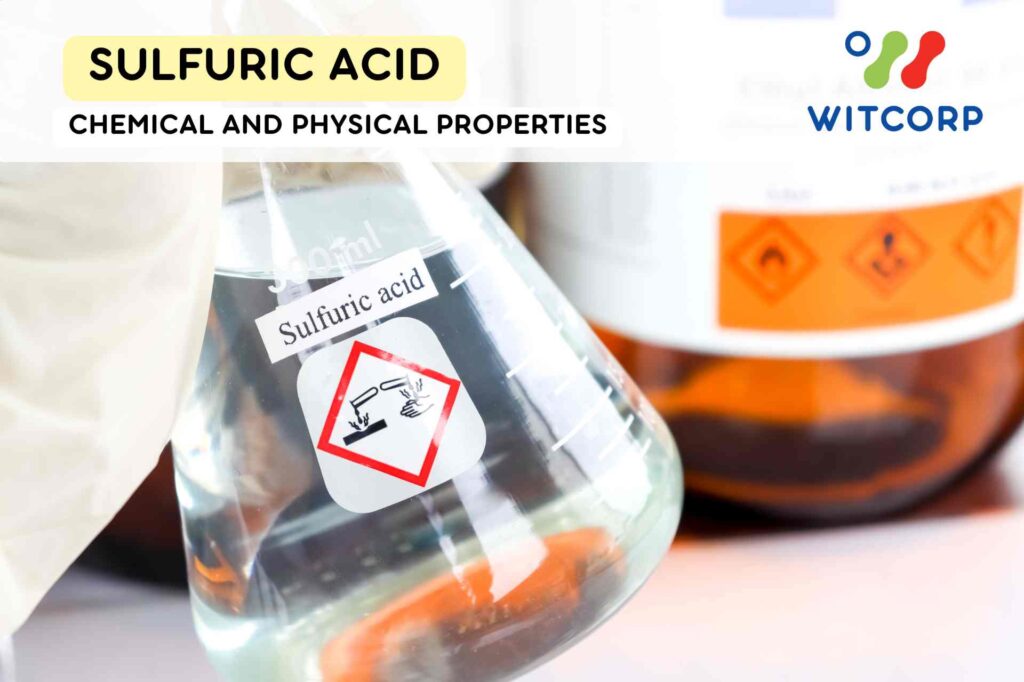
What is Sulfuric Acid?
Chemical and Physical Properties
Sulfuric acid is a mineral acid composed of sulfur (S), oxygen (O), and hydrogen (H) with the molecular formula H₂SO₄.
Physical Properties:
- Clear, colorless liquid
- Sulfuric acid remains odorless under normal conditions. In contrast, concentrated forms often release a sharp, pungent odor.
- Viscous, oily consistency (hence “oil of vitriol”)
- High density (1.84 g/cm³ at 98%)
- Highly soluble in water
- Boiling point: 337°C (for 98% concentration)
Key Chemical Properties:
- Strong Acid – Completely dissociates in water
- Hygroscopic – Absorbs moisture from the air
- Strong Oxidizing Agent – Especially at high concentrations
- Dehydrating Agent – Removes water from organic compounds
- Highly Corrosive – Destroys metals and living tissue
Concentration Levels and Purity Grades
Sulfuric acid is available in various concentrations, each with specific applications:
Common Concentrations
| Concentration | Grade Name | Application |
|---|---|---|
| 33% | Battery Grade / Electrolyte Grade | Automotive batteries |
| 50% | Industrial Grade | Forklift batteries, wastewater treatment |
| 70% | Concentrated Acid | Chemical industry, mining |
| 93% | Chamber Acid | Fertilizer industry, oil refining |
| 96-98% | Technical Grade | Industrial standard, laboratories |
| 100%+ | Oleum / Fuming Sulfuric Acid | Specialty chemical industry |
Applications
Sulfuric acid (H₂SO₄) is one of the most widely produced and utilized basic chemicals in the world. With its versatile properties and cost-effectiveness, this acid has become indispensable across multiple industrial sectors, ranging from agriculture to energy and environmental management. Its applications can be categorized into several major areas as follows:
1. More than 60% of global sulfuric acid production goes into fertilizer manufacturing. Moreover, this highlights its indispensable role in sustaining agricultural productivity worldwide. It plays a crucial role in producing phosphate fertilizers from phosphate rock through chemical reactions that yield superphosphate, an essential phosphorus fertilizer for agriculture. In addition, sulfuric acid is used to produce ammonium phosphate, a nitrogen-phosphorus compound fertilizer, and ammonium sulfate, which provides both nitrogen and sulfur. These products directly support global food security.
2. Chemical Industry Sulfuric acid serves as a precursor for producing other acids such as hydrochloric acid, nitric acid, and phosphoric acid. Moreover, it plays a vital role in manufacturing organic chemicals that are part of everyday life, including detergents, synthetic fibers, plastics, pharmaceuticals, dyes, pigments, and even explosives. Consequently, the chemical industry remains heavily dependent on sulfuric acid.
3. Petroleum Refining In the energy sector, sulfuric acid is used in alkylation processes to produce high-octane gasoline. It also plays a role in purification by removing impurities and acts as a catalyst in petroleum refining processes.
4. Metallurgical and Mining Industry Sulfuric acid is essential in steel pickling, where it removes rust and surface impurities from steel. It is also used in hydrometallurgy to extract valuable metals such as copper, zinc, and uranium from ores.
5. Lead-Acid Batteries Sulfuric acid functions as the electrolyte in lead-acid batteries, which are widely used in automobiles, forklifts, and backup power systems such as UPS and solar energy storage. These batteries are valued for being inexpensive, reliable, and highly recyclable, with recovery rates exceeding 95%.
6. Water and Wastewater Treatment Sulfuric acid is applied in adjusting water pH, destroying organic contaminants, precipitating heavy metals, and advanced oxidation processes to eliminate complex pollutants. This highlights its importance in environmental protection and resource management.
7. Textile and Paper Industry In textiles and paper, sulfuric acid is used to produce viscose rayon fibers, bleach paper, and in dyeing and finishing processes, enhancing product quality and durability.
8. Other Applications Beyond its primary uses, sulfuric acid is employed as a laboratory reagent, in low-concentration drain cleaners, in construction for producing gypsum and cement, and in the food industry, particularly in sugar refining processes.
Conclusion
Sulfuric acid is a strategically important chemical for the global economy and society. Its diverse applications—from food production and energy to metallurgy and environmental management—make it a key indicator of industrial progress in many countries. Moreover, sulfuric acid continues to be a cornerstone for advancing technology and sustainability in the future.
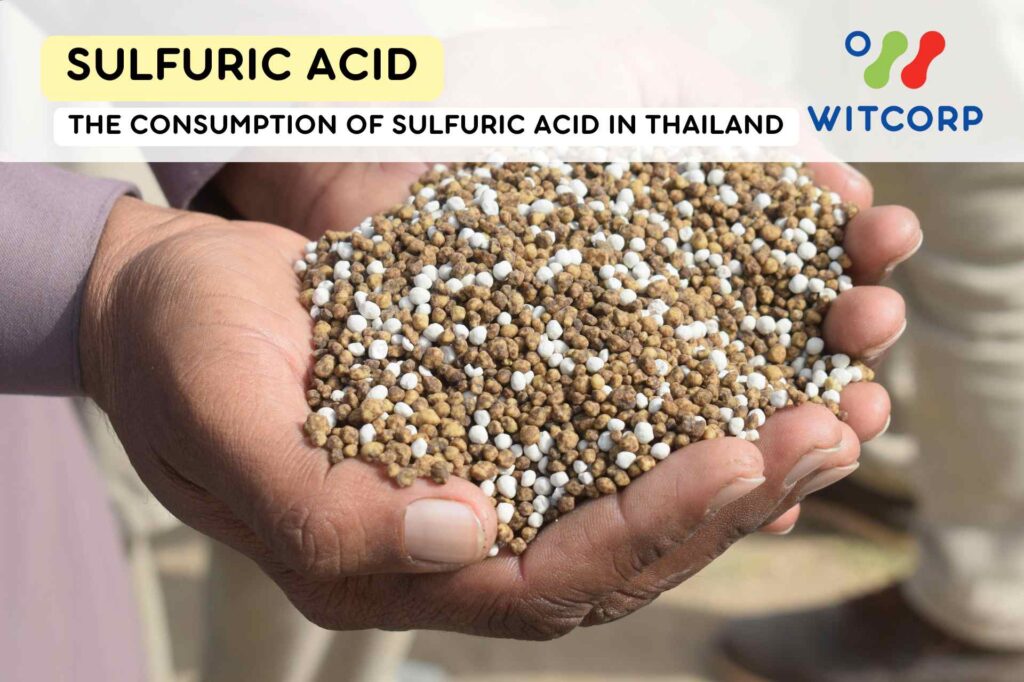
Sulfuric Acid in Thailand
Sulfuric acid (H₂SO₄) is one of the most fundamental chemicals playing a crucial role in Thailand’s industrial development. Industries widely use sulfuric acid in fertilizer production, petroleum refining, chemical manufacturing, and the metallurgical sector. The demand for sulfuric acid in Thailand has been steadily increasing, reflecting its importance to the national economy and food security.
Production and Import
Thailand has several sources of sulfuric acid production. Petrochemical plants, which generate sulfuric acid as a byproduct of oil refining, are among the key producers. Fertilizer factories also rely heavily on sulfuric acid as a raw material for manufacturing phosphate fertilizers and compound fertilizers. Industries use sulfur imports from abroad to support large-scale industrial production of sulfuric acid.
Industrial Demand
Thailand divides the consumption of sulfuric acid into major industrial sectors as follows:
- Fertilizer Industry: The largest consumer, accounting for 50–60% of total usage. Sulfuric acid is essential in producing phosphate fertilizers and nitrogen-sulfur fertilizers.
- Chemical Industry: Approximately 20–25% of consumption, used in the production of other acids and organic chemicals for consumer goods.
- Metallurgical Industry: Around 10–15% of consumption, particularly in steel pickling and the extraction of valuable metals.
- Other Applications: About 5–10% of consumption, including wastewater treatment, textile and paper production, and laboratory use.
Conclusion
Sulfuric acid is a strategically important chemical for Thailand, supporting agriculture, chemical manufacturing, metallurgy, and environmental management. The combination of domestic production and sulfur imports ensures that Thailand can meet its growing demand, thereby maintaining economic stability and long-term food security.
Standards and Regulations Related to Sulfuric Acid in Thailand
Thai industries widely use sulfuric acid (H₂SO₄) as a fundamental chemical. Because of its highly corrosive properties, national laws and industrial standards strictly regulate its production, import, transportation, and usage to ensure safety and compliance with international requirements.
Regulatory Framework
According to the Hazardous Substances Act B.E. 2535 (1992), sulfuric acid with a concentration greater than 50% by weight is classified as a Type 3 hazardous substance. This classification requires authorization for its production, import, export, and possession. The responsible authority is the Department of Industrial Works, which enforces these regulations to prevent misuse of sulfuric acid and to minimize risks to society and the environment.
Industrial Product Standards
Sulfuric acid intended for industrial use must meet strict quality requirements. Thai Industrial Product Standards require sulfuric acid to have a concentration of not less than 98% by weight, with impurities strictly controlled. These measures ensure that sulfuric acid used in manufacturing processes is of sufficient purity and quality for safe and effective application.
Conclusion
Sulfuric acid is a chemical of strategic importance to Thailand’s economy and industrial development. However, its high concentration and corrosive nature necessitate strict legal and technical controls. These regulations not only safeguard health and safety but also support the sustainable growth of Thai industries by ensuring responsible production and usage of this essential chemical.
Hazards of Sulfuric Acid
Various industries widely use sulfuric acid (H₂SO₄), a highly corrosive chemical. Despite its extensive benefits, sulfuric acid poses serious health and safety risks upon direct exposure. Consequently, improper management allows its hazards to manifest through various routes of exposure, concentrations, and contact durations.
Skin Contact
When sulfuric acid touches the skin, it causes immediate chemical burns. Consequently, it destroys proteins and lipids in cells, removes moisture from tissues, and generates severe injuries. The extent of damage depends on the concentration of the acid and the length of exposure. Without prompt treatment, deep and permanent wounds may result.
Inhalation
Inhaling sulfuric acid vapors can irritate the respiratory tract. The acid damages lung tissues and may lead to breathing difficulties. High levels of exposure can cause respiratory failure, posing a life-threatening risk.
Ingestion
If ingested, sulfuric acid damages the mouth, esophagus, stomach, and intestines. Therefore, strict safety measures and protective handling remain critical in every industry. Symptoms include tissue corrosion, internal bleeding, and in large amounts, ingestion can be fatal.
Eye Contact
Exposure of sulfuric acid to the eyes can destroy the cornea and surrounding tissues instantly. This may result in loss of vision, and in severe cases, permanent blindness.
Conclusion
Sulfuric acid is a chemical with high risks to health and safety. Safety regulations strictly control the handling and use of sulfuric acid. Preventive measures include the use of personal protective equipment (PPE), safe storage in appropriate containers, and continuous training of workers. These precautions are essential to minimize hazards and ensure workplace safety.
Trends and New Opportunities of Sulfuric Acid
Industries widely use sulfuric acid (H₂SO₄) as a fundamental chemical. In addition, it drives technological progress and supports sustainability for the future. Rising demand and continuous innovation are opening new opportunities for sulfuric acid to expand its applications across multiple sectors.
EV Batteries
One of the most significant trends is the use of sulfuric acid in lead-acid batteries for hybrid systems and electric vehicles. Although lithium-ion batteries dominate the market, lead-acid batteries remain in high demand due to their low cost, reliability, and ease of recycling. Consequently, they still play a vital role in automotive, backup power, and industrial systems. The development of high-quality lead-acid batteries presents an opportunity to support the transition toward electric mobility.
Recycling and Sustainability
Sulfuric acid is central to closed-loop recycling systems, particularly in acid regeneration processes. These methods reduce the need for new raw materials and minimize sulfur dioxide (SO₂) emissions, aligning with global sustainability goals and environmental protection initiatives.
Sustainable Agriculture
Agriculture relies on sulfuric acid to produce high-efficiency fertilizers that boost crop yield and quality. The development of fertilizer technologies based on sulfuric acid contributes to sustainable farming systems and helps meet the growing global demand for food.
Water Treatment Technologies
Moreover, industries increasingly apply sulfuric acid in advanced water treatment technologies, such as Advanced Oxidation Processes (AOPs), industrial wastewater treatment, and heavy metal removal. These applications highlight its role in resource management and environmental preservation.
Cleaner Production
Manufacturers improve sulfuric acid production with Double Contact Double Absorption (DCDA) technology to boost efficiency and cut emissions. They adopt energy-saving innovations to reduce costs and environmental impacts, creating cleaner and more sustainable production.
Conclusion
The emerging trends and opportunities of sulfuric acid reflect the transformation of global industries toward sustainability. In addition to supporting electric vehicles and recycling, sulfuric acid fuels agriculture, water treatment, and cleaner production. Consequently, it acts as more than a basic chemical—it becomes a driving force for innovation and sustainable development.
Sulfuric acid (H₂SO₄) is vital to industrial progress and human quality of life, with applications ranging from fertilizer production and fuel refining to textiles, pharmaceuticals, and advanced technologies.
Although sulfuric acid is hazardous, in fact, proper management and protective equipment allow industries to use it safely and effectively.
Looking ahead, sulfuric acid production technologies will focus on:
- Sustainability and environmental friendliness
- Recycling and reuse
- Energy efficiency
- Automation and AI integration
- High-purity grades for advanced industries
Industries will continue to recognize sulfuric acid as the “King of Chemicals” and rely on it to drive global progress.
References
- Britannica. (2025). Sulfuric acid – Chemical compound. Encyclopedia Britannica. Retrieved November 17, 2025, from https://www.britannica.com/science/sulfuric-acid
- Precedence Research. (2025). Sulfuric acid market size & forecast 2033. Retrieved November 17, 2025, from https://www.precedenceresearch.com/sulfuric-acid-market
- ซีเอช 9 แอร์พอร์ต. (2025). อันตรายของกรดซัลฟิวริก [Hazards of sulfuric acid]. Retrieved November 17, 2025, from https://ch9airport.com/th/อันตรายของกรดซัลฟิวริก/
- อาร์ เอช เค กรุ๊ป (RHK Group). (2025). กรดซัลฟิวริก 33%, 50%, 98% (Sulfuric Acid). Retrieved November 17, 2025, from https://www.rhkchemical.com/14823111/กรดกำมะถัน
- เวิลด์เคมีคอล กรุ๊ป (World Chemical Group). (n.d.). ประโยชน์ของกรดซัลฟิวริก [Benefits of sulfuric acid]. Retrieved November 17, 2025, from https://www.worldchemical.co.th/ประโยชน์ของ-กรดซัลฟิวร/
- เวิลด์เคมีคอล กรุ๊ป (World Chemical Group). (n.d.). กรดซัลฟูริก (Sulfuric Acid 98%). Retrieved November 17, 2025, from https://www.worldchemical.co.th/product/กรดซัลฟูริก/
Article prepared on: November 17, 2025
Last updated: November 18, 2025